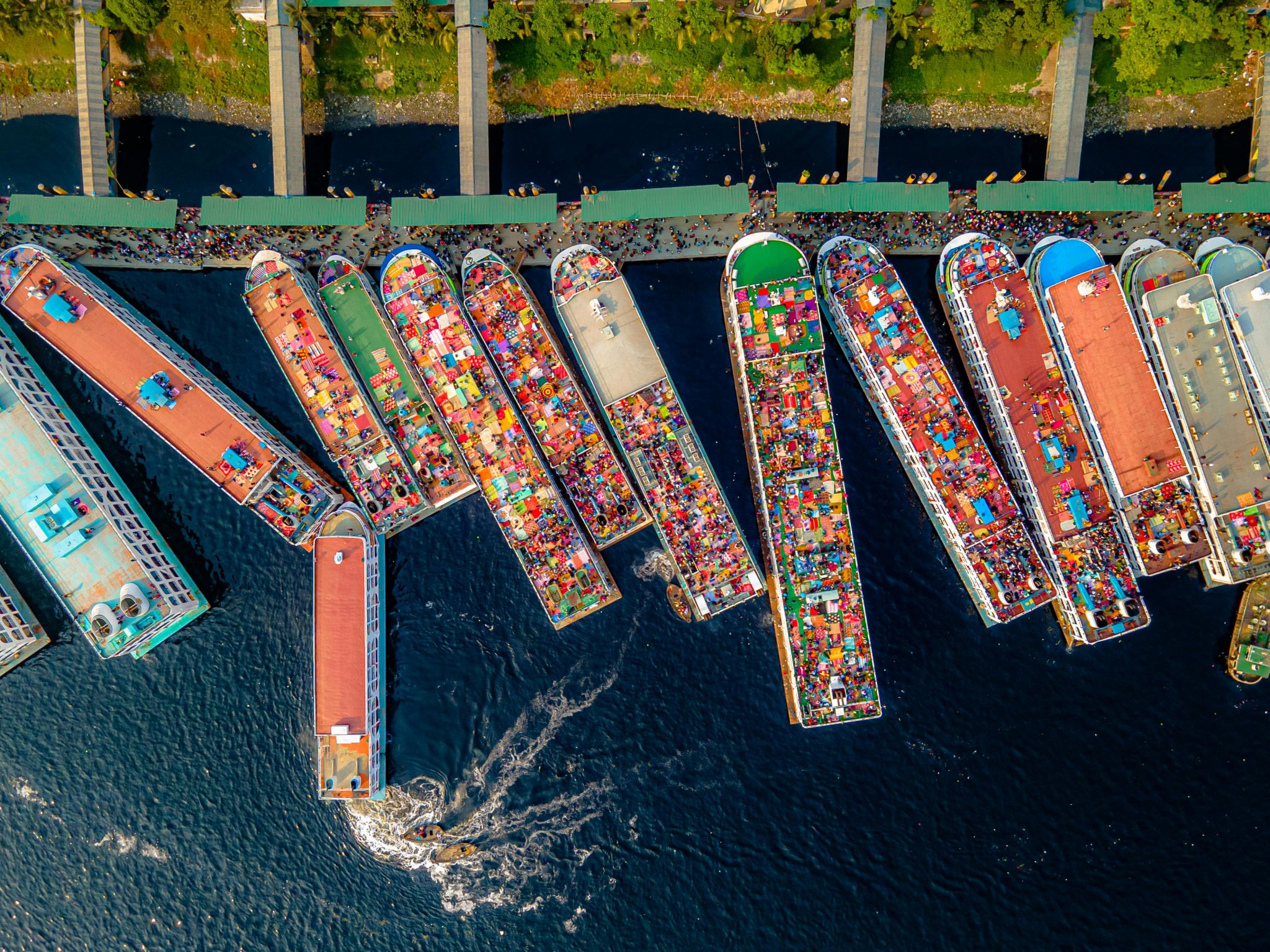
A Gateway to the Global Maritime Industry
Merchant Navy, also known as Mercantile Navy or Merchant Marine, refers to the commercial shipping sector that transports cargo and passengers across international sea routes.
It includes fleets of passenger ships, cargo liners, tankers, bulk carriers, car carriers, container vessels, and several other specialized ships operating worldwide.
The industry plays a vital role in international trade, import-export operations, and global marine transportation systems.
Read MoreBackbone of International Trade
Merchant shipping carries the majority of world trade through sea routes and remains one of the most important sectors of the global economy.
Without the merchant navy, international supply chains, cargo movement, and marine transport would come to a standstill.
The professionals working onboard these vessels are known as seafarers, sailors, and mariners.

Explore Merchant Navy Career Pathways
What is Merchant Navy?
Understand the commercial shipping industry and its role in global trade.
Types of Ships
Discover the different ship categories used in the merchant navy sector.
Departments On Board
Learn about the Deck, Engine, and Saloon departments onboard ships.
Advantages
See why merchant navy is an attractive career for ambitious students.
Requirements
Review the qualifications, medical fitness, and skills needed to join.
How to Join
Find out how MTI can guide you toward a successful maritime career.
8 Common Types of Ships in Merchant Navy
Container Ships
Used to transport goods in large containers between countries through the method of containerization.
Cargo Ships
Designed to transport cargo, commodities, and materials with equipment for loading and unloading.
Bulk Carriers
Built to carry bulk cargoes such as coal, cement, grain, and ore efficiently and safely.
Ro-Ro Vessels
Designed for wheeled cargo such as trucks, trailers, semi-trailers, cars, and mobile machinery.
Tanker Vessels
Specialized ships used for transporting bulk liquids and gases, including oil, chemicals, and gas.
Service Tug
Support vessels mainly used in emergencies, repairs, towing operations, and assistance services.
Fishing Vessels
Boats and ships used for collecting fish in seas, rivers, and lakes to support fishing operations.
Passenger Vessels
Ships mainly designed to transport passengers, and in some cases vehicles and goods, across sea routes.
Work Opportunities Across Shipboard Departments
Deck Department
Responsible for navigation, cargo operations, berthing, and deck-related instruments. Deck Officers handle ship navigation and operational procedures under the leadership of the Captain.
Engine Department
Engineers manage and maintain the machinery and technical systems of the vessel. The Chief Engineer heads this department and reports directly to the Captain.
Saloon Department
Responsible for catering, food preparation, housekeeping, and support services for crew and passengers. The department is supervised by the Chief Cook.
Why Students Choose a Career at Sea
1. Travel the World
Build a career while visiting ports and destinations across the globe.
2. Lucrative Pay Packages
Merchant navy careers offer attractive salaries, allowances, and long-term growth.
3. Exposure to Different Cultures
Work with people from different countries and gain global experience.
4. No Fancy Degree Required
Students can begin through pre-sea training, diploma, and maritime courses.
5. Professional Development
Improve teamwork, discipline, communication, and practical leadership skills.
6. Early Financial Independence
Young seafarers can earn well and build a strong financial future early.
7. Long Vacations
Enjoy extended off-periods after completion of sea contracts.
8. Discipline & Responsibility
Merchant navy develops punctuality, focus, responsibility, and a disciplined lifestyle.
9. Dynamic Working Environment
Each contract brings new colleagues, new seniors, and fresh professional experiences.
What Are the Requirements to Join Merchant Navy?
To join the Merchant Navy, candidates must meet the minimum qualifications required for a specific onboard role and must also be physically fit according to the relevant medical standards.
- Requirements vary from country to country and course to course.
- For officer-level positions in Pakistan, Physics, Chemistry, and Mathematics are commonly required.
- English proficiency may also be needed, such as UKVI IELTS Academic overall band 5.5 with no component below 5.
- It is also possible to begin a maritime career after 10th (Matric) through suitable training pathways.
Students may join through short courses such as G.P. Rating, Diploma in Nautical Science, and other pre-sea programs depending on eligibility.
Start Your Maritime Career with MTI
Curious about joining the Merchant Navy in Pakistan? Maritime Training Institute can guide you through the eligibility, admission process, and career pathway for a successful future at sea.
Learn More